
 русский
 English
 français
 Deutsch
 español
 português
 العربية
 日本語
日本語 한국의
한국의 Tiếng việt

позвоните нам сейчас
ТЕЛ : + 86-4000988557;
Skype ID: gfreex@hotmail.com;
WeChat: STEP_ADTECH;
QQ ID: 8936906.

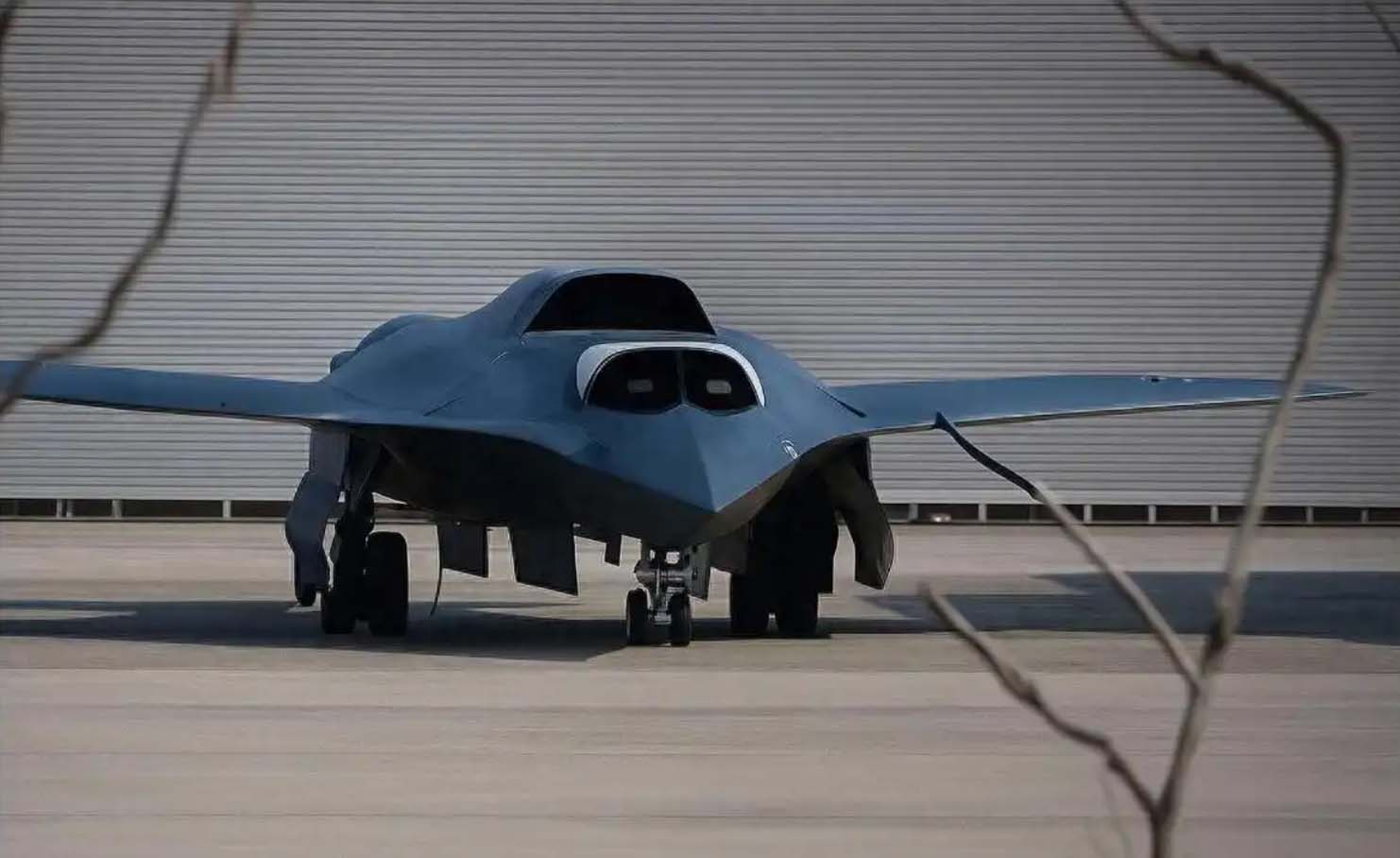
J-36 — истребитель шестого поколения, разработанный Китаем. Он представляет собой интегрированную конструкцию истребителя-бомбардировщика, сочетающую в себе возможности воздушного боя и атаки наземных целей, а также обладает превосходной малозаметностью, высокой скоростью и дальностью действия.
Особенности конструкции:
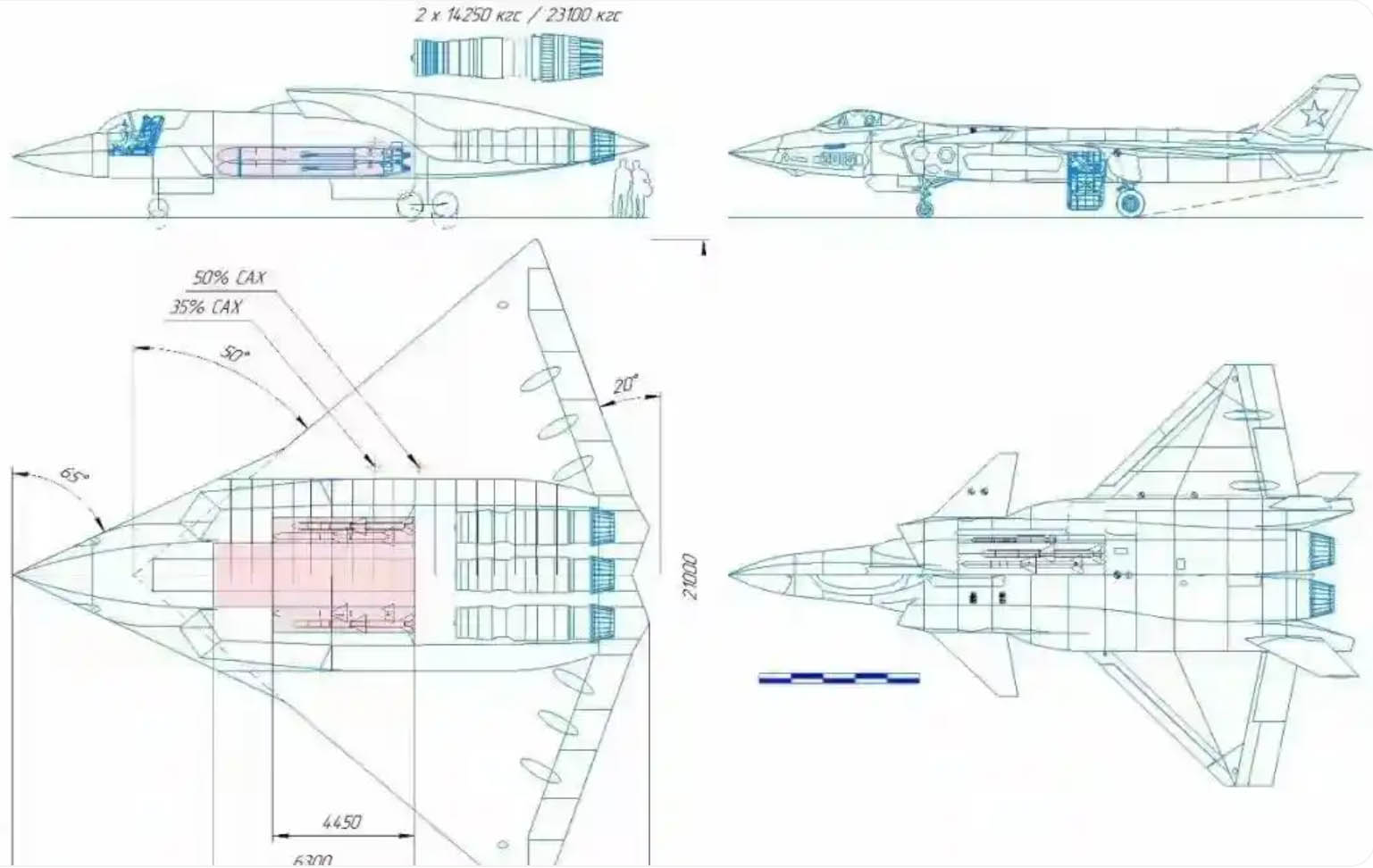
J-36 имеет бесхвостую компоновку крыла с ромбовидным треугольным крылом, что значительно уменьшает его эффективную площадь рассеяния (ЭПР менее 0,01 кв. м). Он оснащён тремя двигателями (два турбовентиляторных по бокам и один центральный прямоточный воздушно-реактивный двигатель с воспламенением от сжатия), что обеспечивает сверхзвуковой крейсерский полёт и высокую манёвренность. Расположенная рядом двухместная кабина и большой внутренний отсек вооружения (способный нести такое оружие, как гиперзвуковая ракета YJ-21) позволяют выполнять многоцелевые задачи.
Параметры производительности:
*Скорость и дальность: максимальная скорость приближается к числу Маха 4, боевой радиус превышает 3000 км, способность покрыть вторую цепь островов без дозаправки в воздухе.
*Системы вооружения: Полезная нагрузка более 12 тонн, возможность нести ракеты класса «воздух-воздух» большой дальности PL-17 (дальность 500 км) и высокоточные боеприпасы для поражения наземных целей.
*Авионика и взаимодействие: Оснащен мощной активной фазированной антенной решеткой (дальность обнаружения 500 км) и системой на базе искусственного интеллекта, поддерживающей совместные операции с группами БПЛА.
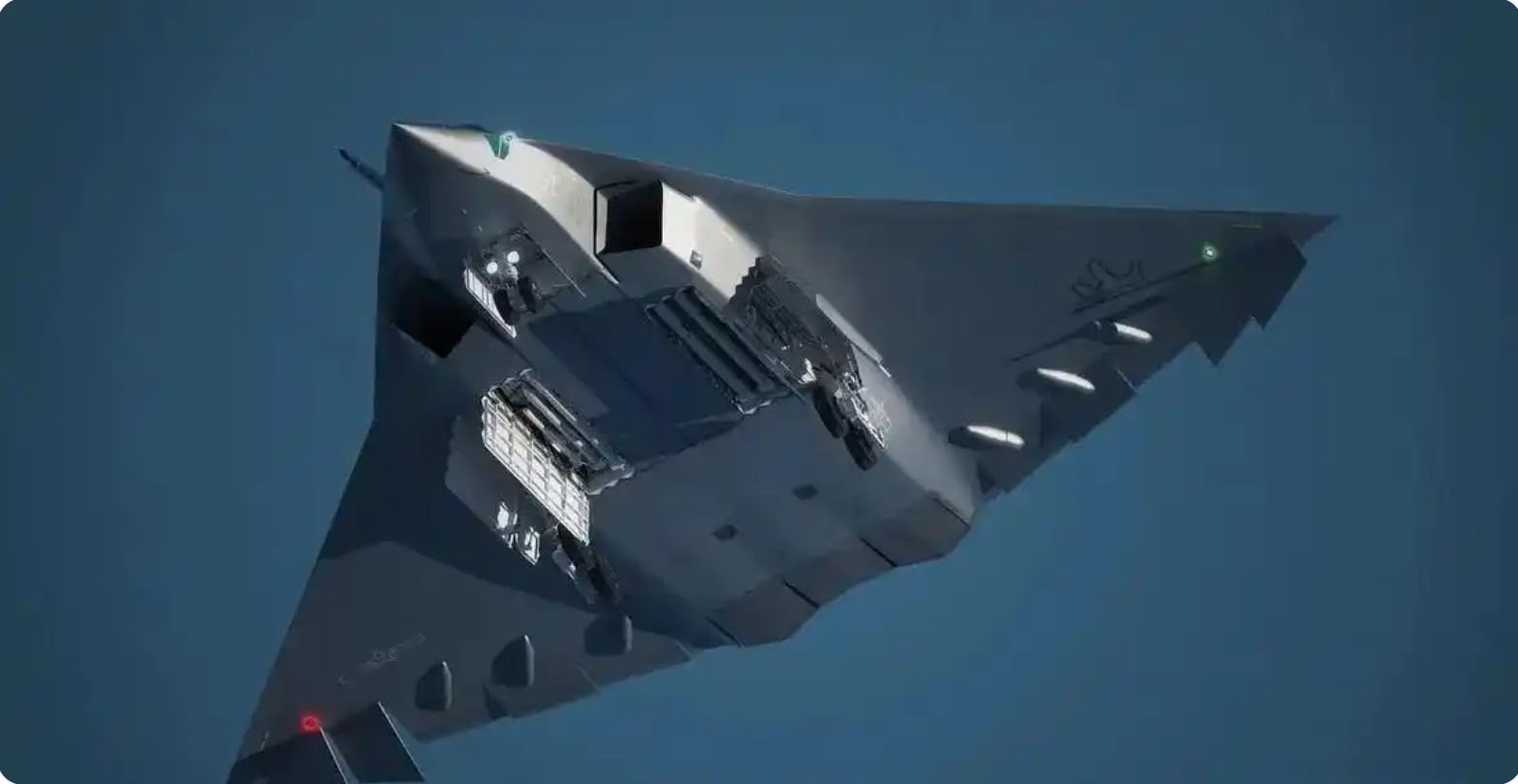
Стратегическое значение:
Появление J-36 значительно усилило возможности китайских ВВС по нанесению дальних ударов и блокированию зон, создав прямую угрозу американским базам во Второй гряде островов и вынудив США скорректировать дислокацию своих сил. Будучи ключевым узлом в системе воздушного боя, он взаимодействует с такими платформами, как J-20, и беспилотниками, меняя ландшафт ведения боевых действий в подпространственном пространстве.
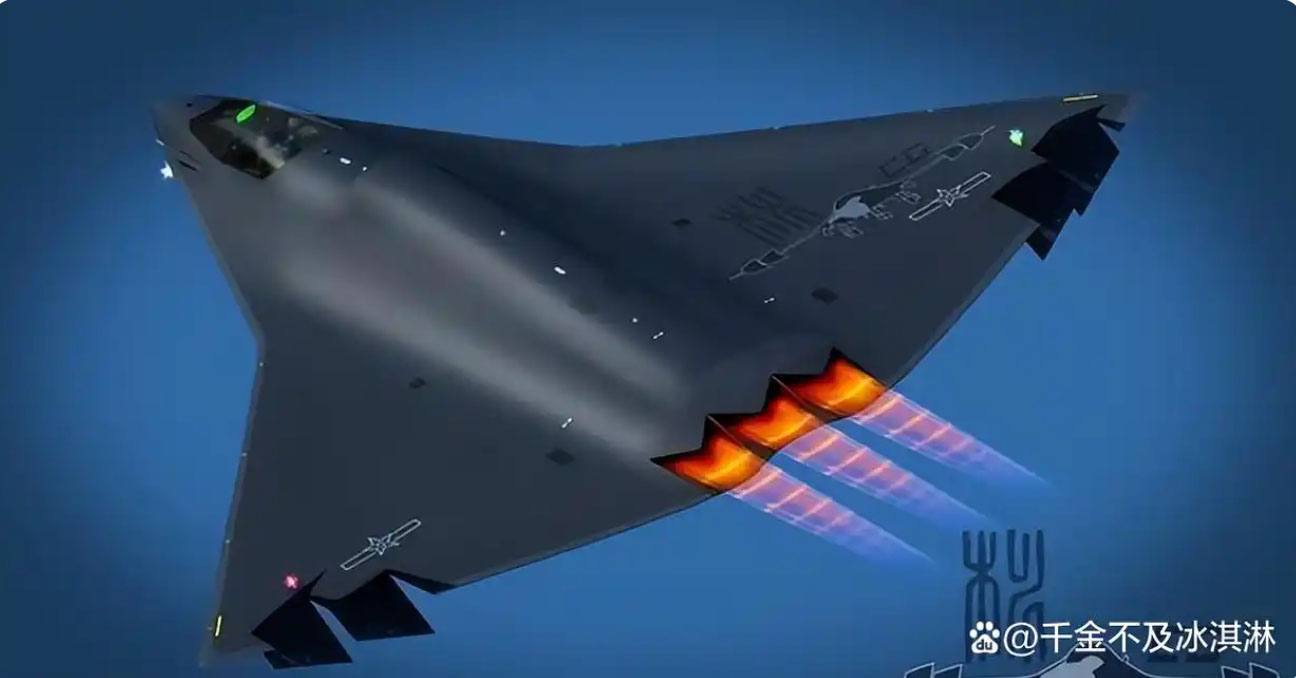
Какой истребитель самый мощный в мире? Chengdu J-36 — безусловный лидер! Будучи одним из двух истребителей шестого поколения в мире, J-36 считается уникальным среди мировых истребителей благодаря уникальной трёхмоторной конструкции, превосходной скрытности, огромному отсеку малозаметного вооружения, высокой скорости, большой дальности и передовым характеристикам авионики и радиолокации. С момента его первого полёта дискуссии о нём не утихают.
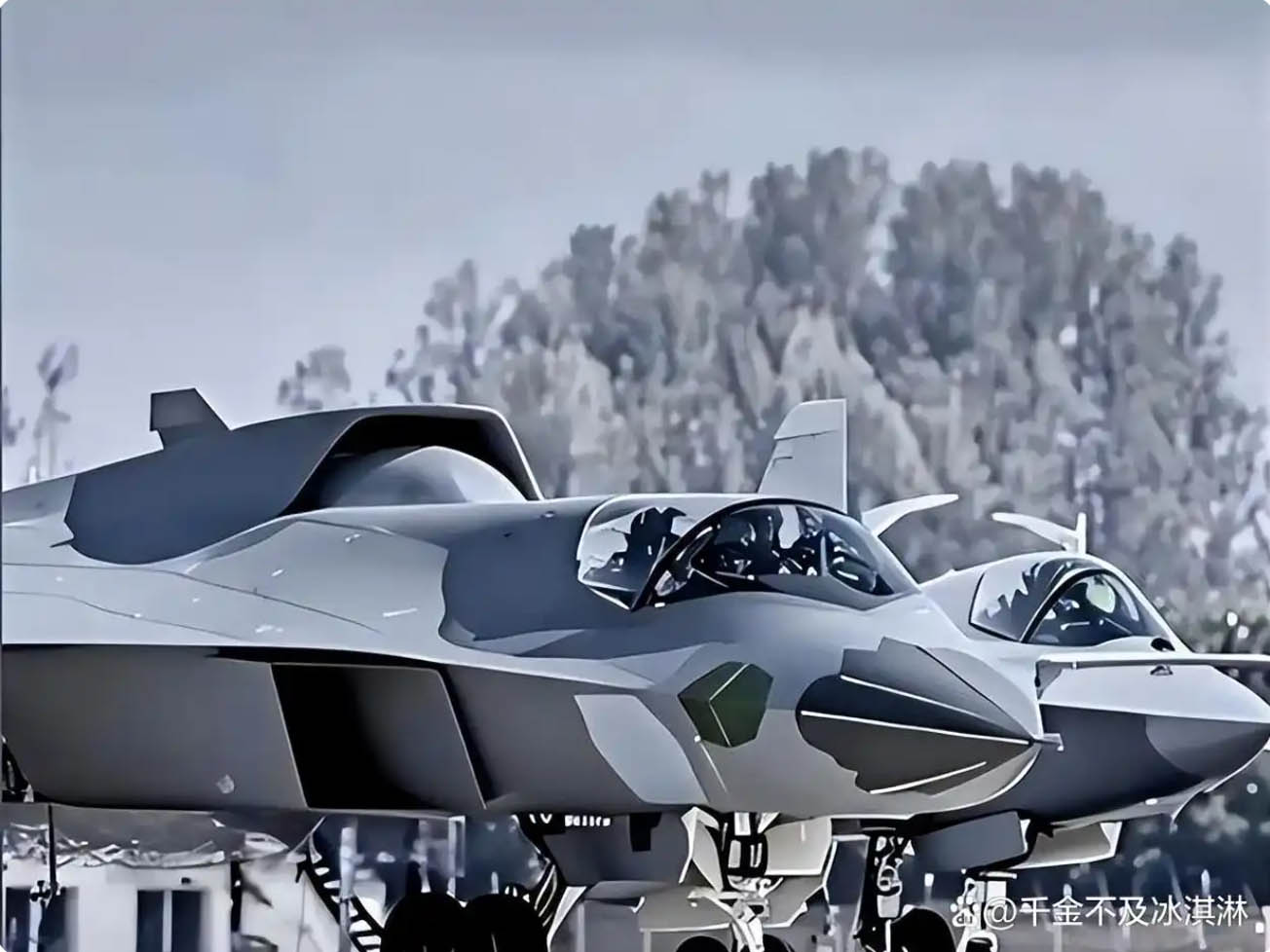
Взгляд американских СМИ: «сверхтяжёлый» малозаметный истребитель шестого поколения
Американский сайт «The War Zone» представил подробный анализ J-36. Без официальных заявлений внешний анализ J-36 — это лишь отрывочные проблески общей картины, но даже при этом некоторые его характеристики уже поражают воображение.
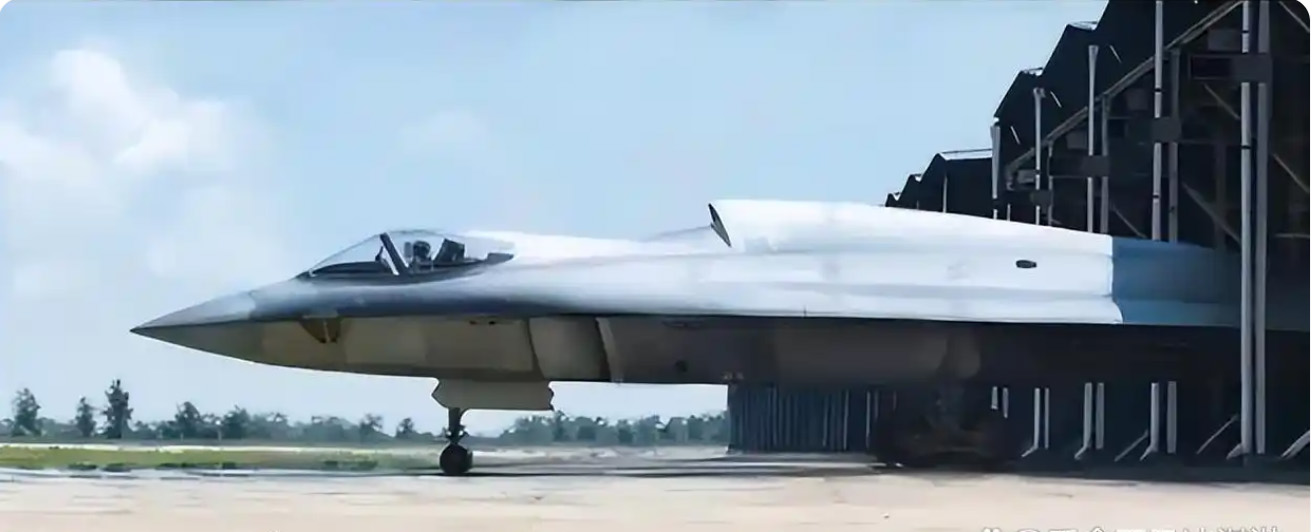
Его двухместная компоновка с расположением сидений бок о бок крайне редка в истребительной технике. Со времён F-111 и Су-34 двухместная компоновка с расположением сидений бок о бок считалась исключительной для истребителей-бомбардировщиков. Однако J-36, по всей видимости, встал на путь многоцелевого использования, для чего был разработан сложный и большой внутренний малозаметный отсек вооружения. Эта конструкция — не просто «наследие» боевых концепций F-111 и Су-34, а инновация, основанная на текущих и будущих боевых потребностях.
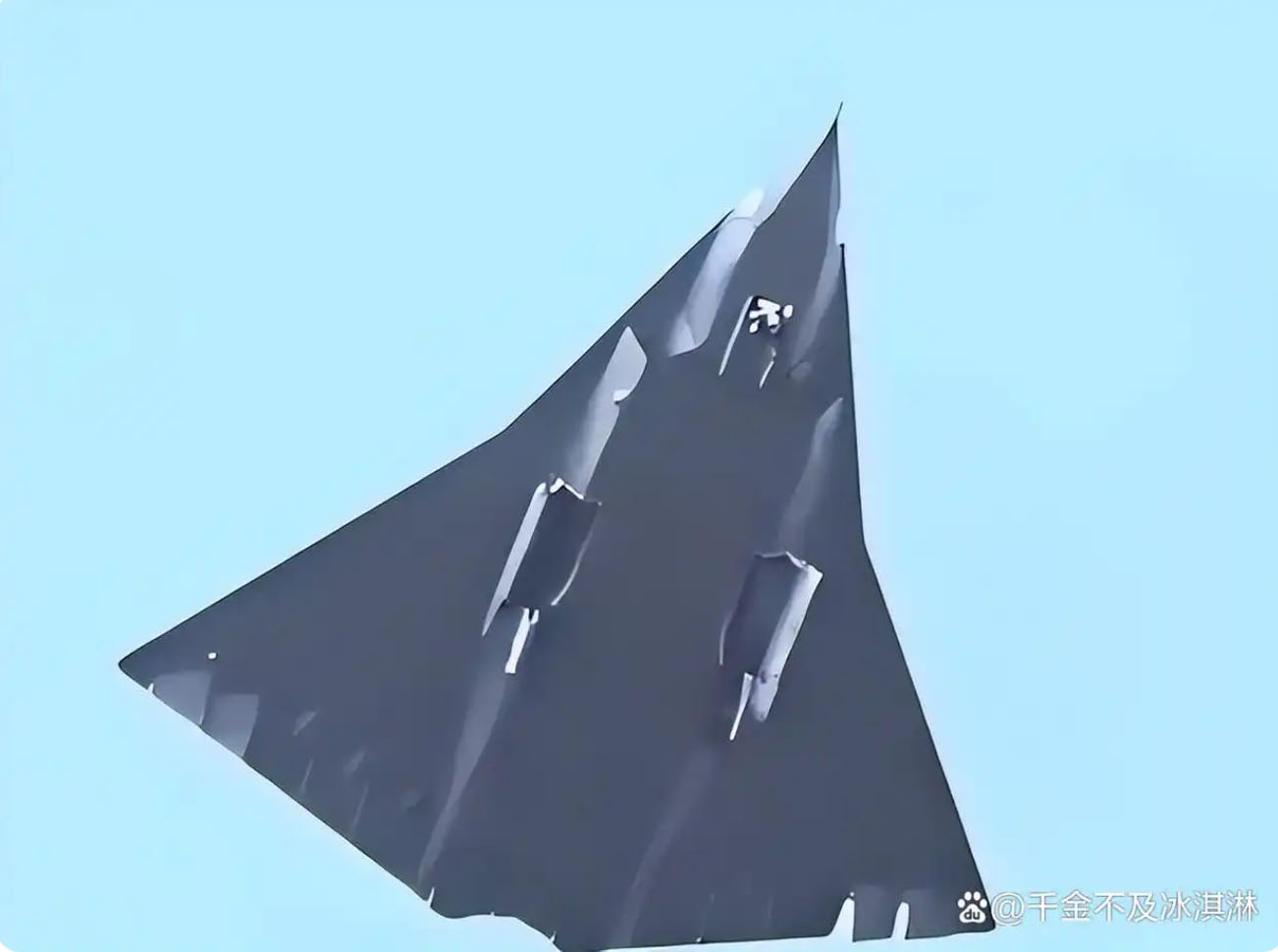
В отличие от этого, AVIC (Корпорация авиационной промышленности Китая) начала планировать разработку двухместной версии J-20 пять лет назад, и аналогичные планы были разработаны для J-35 на этапе его разработки. Появление J-20S представляет собой пионерский прорыв AVIC в этой области.
J-36, с его двухместной компоновкой, расположенной бок о бок, обеспечивает максимальную коммуникацию и управление пилотами. Даже с учётом будущих достижений в области искусственного интеллекта, он способен адаптироваться к изменениям, расширяя свой парк беспилотников, демонстрируя простую, но эффективную философию конструкции.
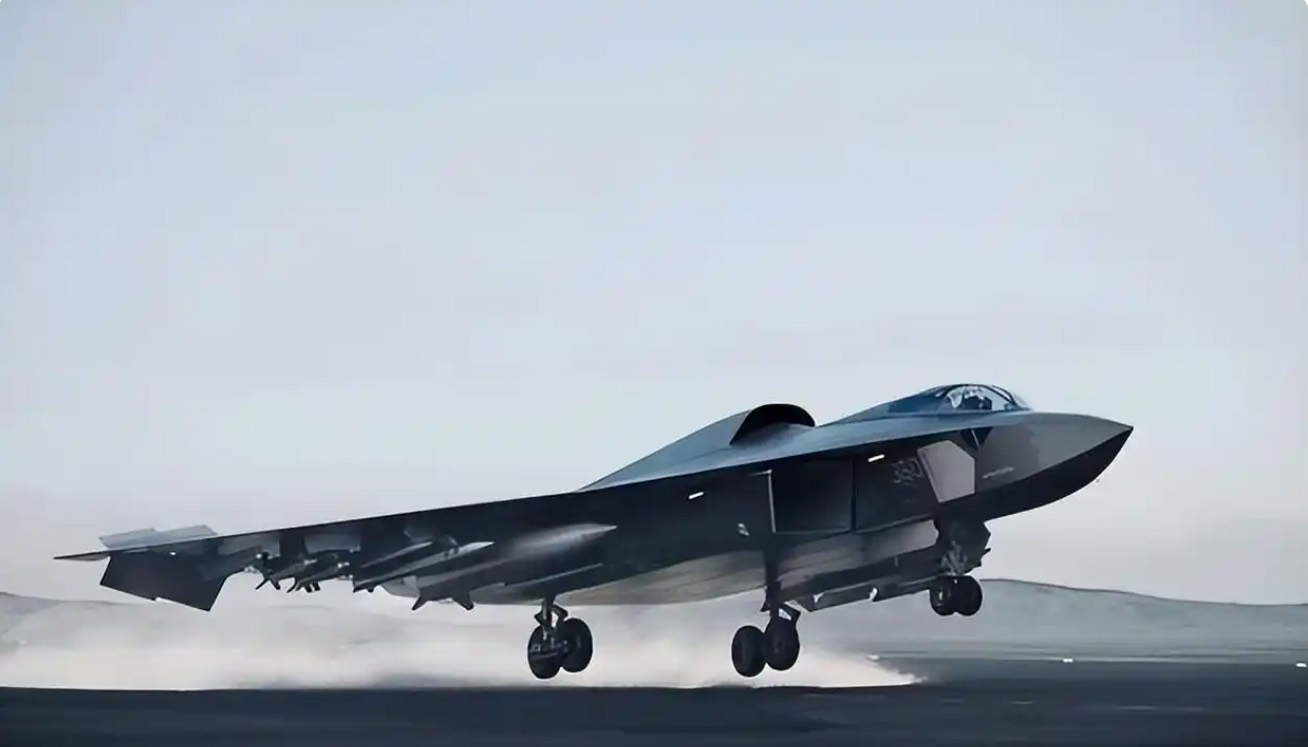
Взгляд австралийских СМИ: «Авианосный крейсер»
Австралийский сайт *The Strategist* назвал J-36 «авиакрейсером», и это утверждение не лишено оснований. Срочные новости из американских СМИ свидетельствуют о том, что максимальная взлётная масса J-36 составляет 62 тонны, что сопоставимо с массой пассажирского самолёта Boeing 737 второго поколения. Эта цифра вызвала серьёзную обеспокоенность у американских военных экспертов.
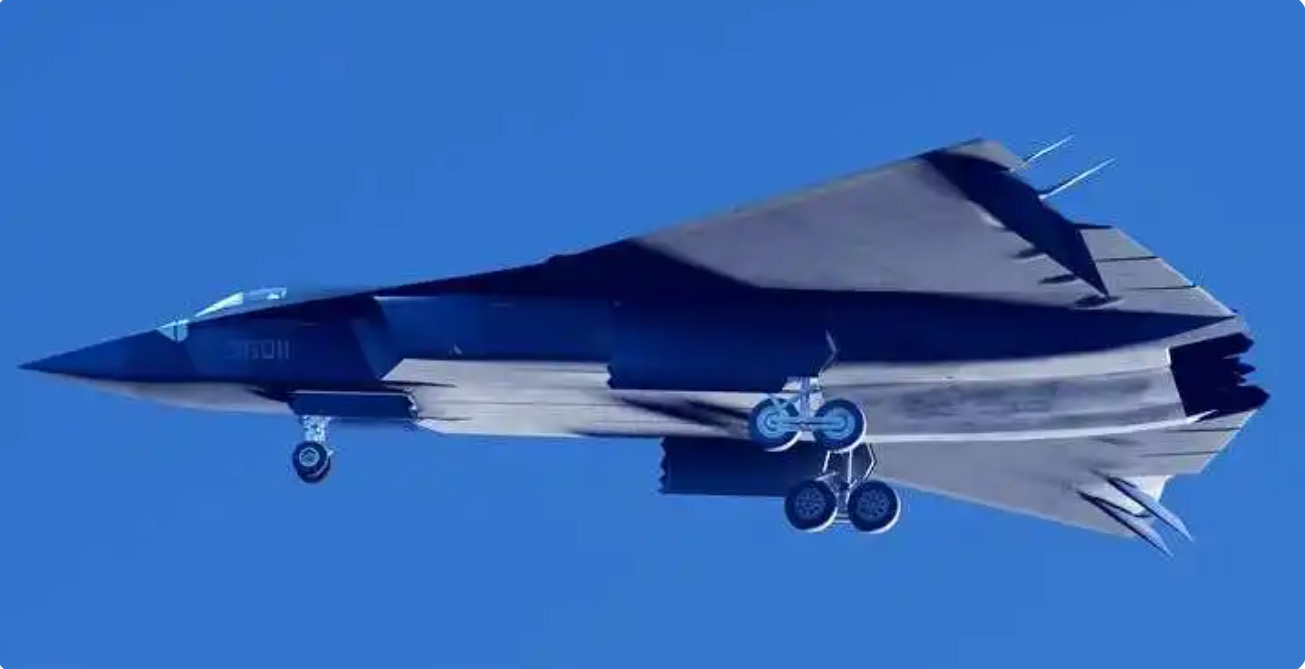
По сравнению с нынешними американскими истребителями F-22 (37 тонн) и F-35 (31 тонна), J-36 почти вдвое тяжелее основных американских истребителей. Эта разница в весе даёт значительные боевые преимущества:
• Огневая мощь: В 62-тонном планере самолёта помещается центральный модуль длиной почти 7 метров и модульные отсеки вооружения по обоим бортам длиной более 4 метров, легко оснащённые четырьмя ракетами класса «воздух-воздух» сверхбольшой дальности PL-17 (дальность 500 км) и четырьмя ракетами средней дальности PL-15. Такая конфигурация удваивает огневую мощь по сравнению с конфигурацией «6+2» F-22, ещё больше превосходя скрытность F-35 благодаря внешней полезной нагрузке.
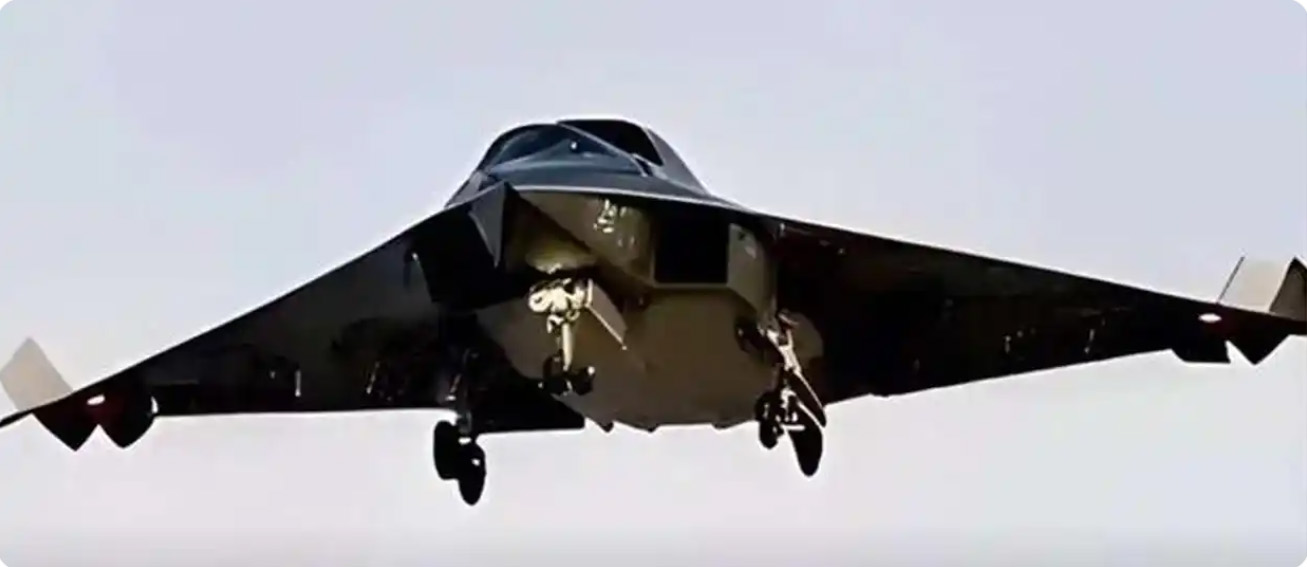
• Прорыв в дальности: массивный планер значительно увеличивает запас топлива, увеличивая радиус действия до более чем 3000 километров, включая вторую группу островов, где расположен Гуам. В сочетании с ракетой PL-17 с дальностью 500 километров реальная дальность управления J-36 может достигать 3500 километров.
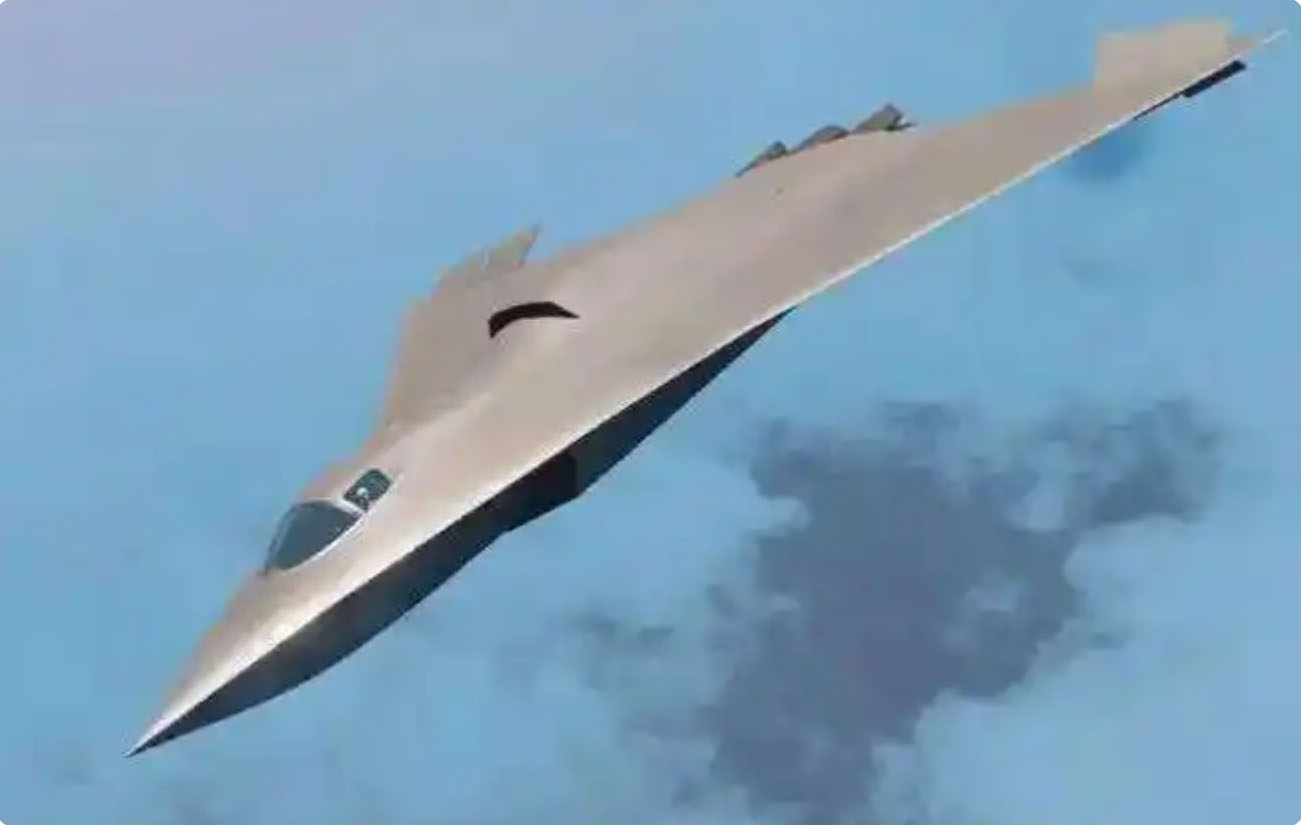
• Гибкость выполнения задач: сотовый каркас фюзеляжа из титанового сплава позволяет быстро заменять блоки радиоэлектронной борьбы или рои беспилотников, за короткое время превращая его из воздушной боевой платформы в командный центр, стирая грань между истребителем и бомбардировщиком.
«Мир не видит его боевых целей!» Оценки этого истребителя зарубежными СМИ ещё раз демонстрируют его мощные боевые возможности; в настоящее время он «не имеет себе равных».
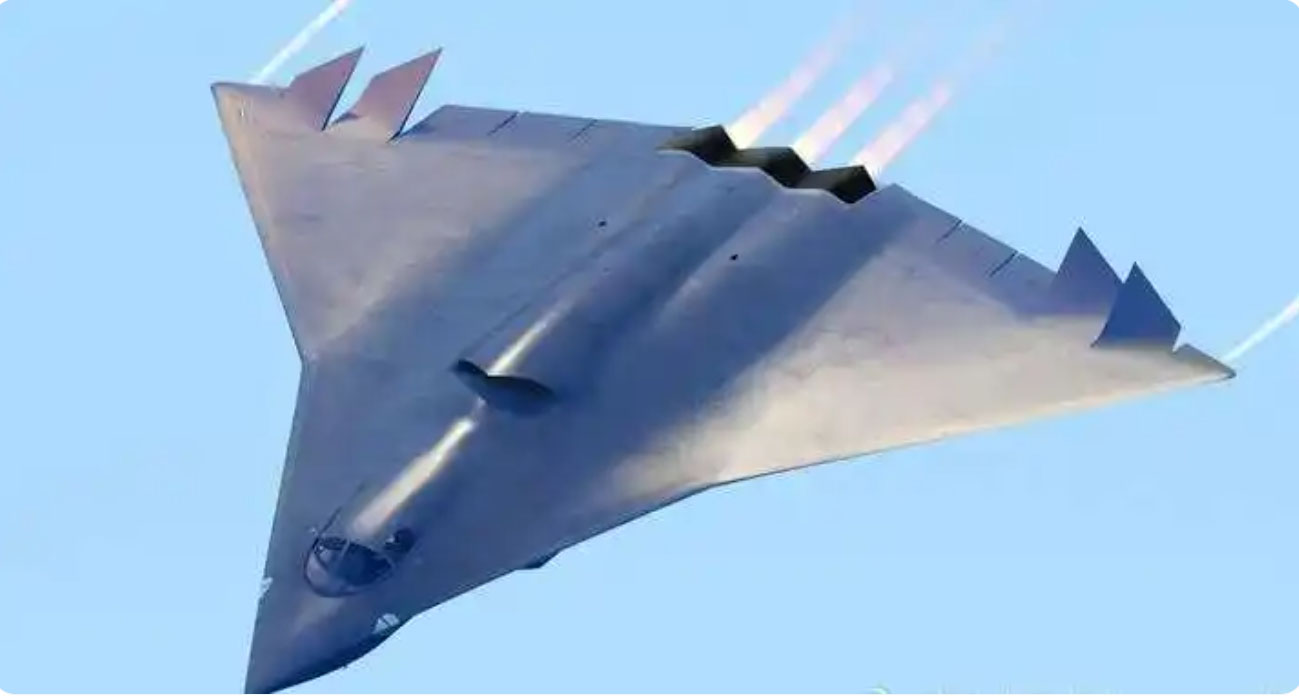
Боевые задачи: неуловимое стратегическое развертывание
Судя по оценкам американских СМИ, мир, похоже, не способен определить боевые задачи J-36. Хотя его конструктивные особенности указывают на высокую многофункциональность, эта «многофункциональность» в настоящее время вряд ли будет использоваться для относительно второстепенной задачи — атаки наземных и морских целей.
Для J-36, призванного войти в число ведущих армий мира, его впечатляющая манёвренность, подобная «падающим листьям гинкго», имеет решающее значение для управления роями беспилотников и ведения боя с высококлассными противниками в воздушном бою на средней и дальней дистанции. До тех пор, пока J-36 не получит явного преимущества, он будет сосредоточен на совершенствовании своих возможностей в воздушном бою для решения потенциальных задач в будущем.
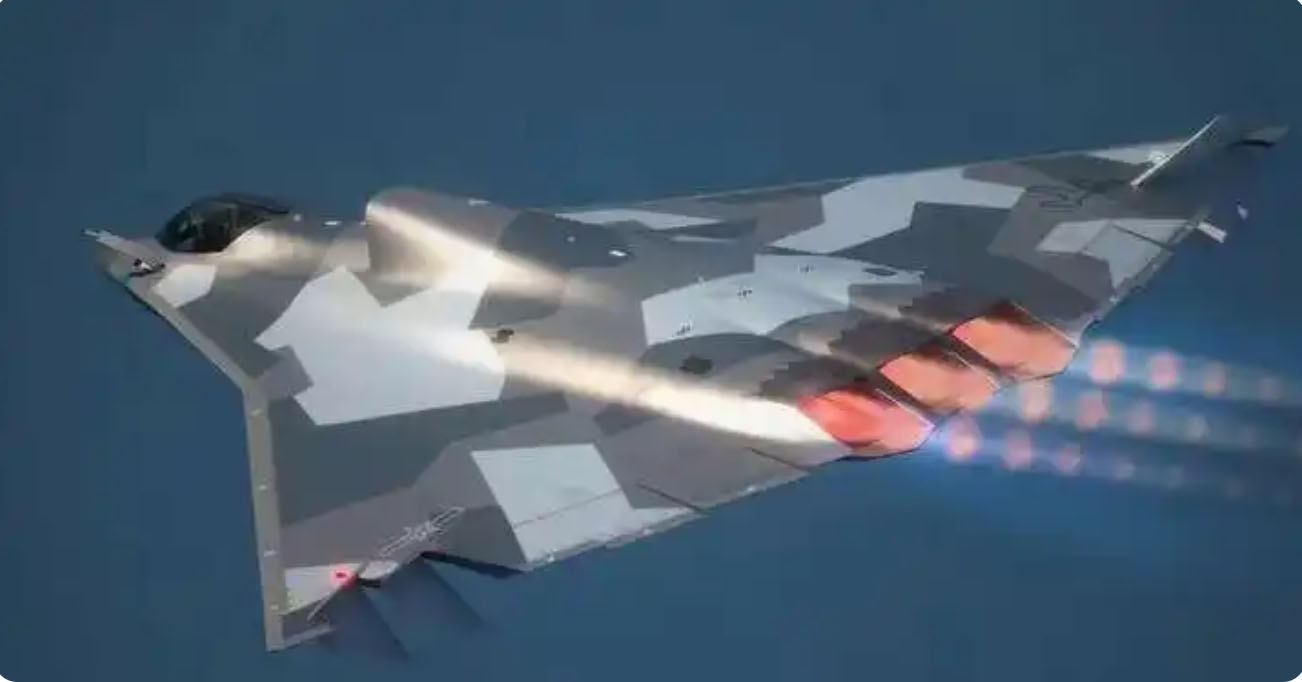
Система питания: брутальная эстетика трёхмоторной системы
17 марта 2025 года три выхлопных шлейфа, обнаруженные во время испытательного полёта J-36, продемонстрировали его уникальную трёхдвигательную силовую установку. Эта асимметричная конфигурация тяги, состоящая из двух основных и одного вспомогательного двигателей, представляет собой серьёзный прорыв в аэрокосмической технике. Два модифицированных турбовентиляторных двигателя WS-15 расположены под углом 35 градусов (некоторые источники предполагают три WS-15), в сочетании с выдвижным вспомогательным двигателем сзади, что обеспечивает суммарную тягу 440 кН, что превышает суммарную тягу трёх двигателей F-22.
В режиме полного форсажа J-36 разгоняется с места до скорости 1,5 Маха всего за 8 секунд, что на целых 12 секунд быстрее, чем у F-35A. Сопла вспомогательного двигателя с изменяемым вектором тяги позволяют J-36 выполнять классический манёвр «Кобра» на сверхзвуковых скоростях.
Сочетание интеллектуальной обшивки и двигателя с изменяемым циклом позволяет J-36 увеличить степень двухконтурности и снизить расход топлива на дозвуковых скоростях. На сверхзвуковых скоростях каркас из сплава с эффектом памяти формы увеличивает площадь крыла на 15%, позволяя планеру выдерживать перегрузки 9G даже при скорости 2,5 Маха. Эта революционная конструкция двигателя решила проблему тяги 62-тонного сверхтяжелого истребителя J-36.
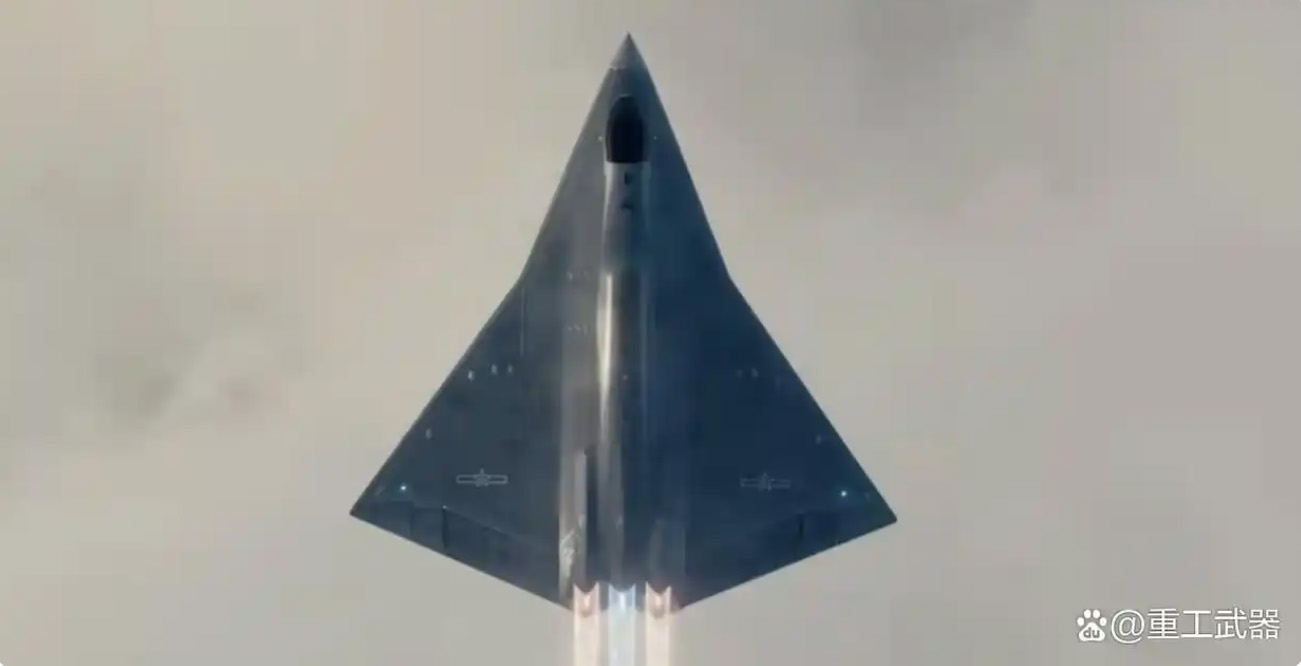
Ход летных испытаний: парадигма китайской скорости:
Ход летных испытаний J-36 – яркий пример «китайской скорости». С момента своего первого полета 26 декабря 2024 года J-36 совершил пять публичных испытательных полетов всего за четыре месяца. Начиная со второго испытательного полета, который отменил эскорт J-20 и продемонстрировал его способность к автономному полету, и заканчивая самостоятельной уборкой шасси и полетом, подтверждающим базовую надежность планера; от демонстрации трех выхлопных струй, свидетельствующих об зрелости технологии координированного управления тремя двигателями, до завершения сложного испытания по сливу топлива в полете, демонстрирующего прохождение системой управления полетом экстремальных испытаний, – каждый испытательный полет знаменует собой новый шаг в технологической зрелости J-36.
В противоположность этому, американский проект NGAD всё ещё охвачен жаркими спорами о выборе между одномоторным и двухмоторным вариантом, прототип ещё не завершён, а цена в 3,2 миллиарда долларов за самолёт столкнулась с решительным сопротивлением Конгресса. Впечатляющий прогресс J-36 отражает мощный потенциал Китая и его эффективный научно-исследовательский потенциал в области авиации.
J-36;
Истребитель J-36;
Истребитель J-36.
ТЕЛ : + 86-4000988557;
Skype ID: gfreex@hotmail.com;
WeChat: STEP_ADTECH;
QQ ID: 8936906.


















пожалуйста, читайте, оставайтесь в курсе, подписывайтесь, и мы приглашаем вас рассказать нам что ты думаешь.
 IPv6 сеть поддерживается 粤ICP备2021036697号
 Интернет Сервис
 4000988557
 sales1@troysupply.comsales2@troysupply.com
 Richard Liu
 TROY
TROY 8936906
 Troysupply_com